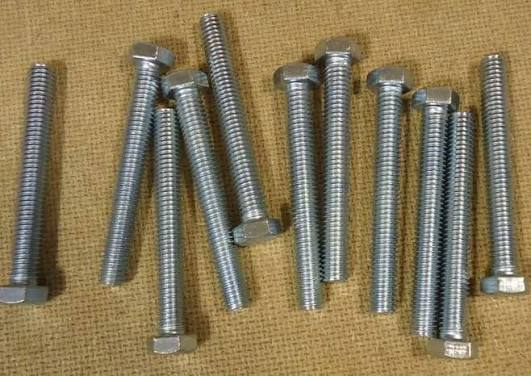
Tantalum is a rare, highly corrosion-resistant metal known for its exceptional performance in demanding industrial environments. Because of these characteristics, tantalum Tantalum Fasteners fasteners are used where conventional fastening materials may deteriorate rapidly. Industries that handle aggressive chemicals, high temperatures, or corrosive substances often rely on tantalum components for long-term reliability. This guide explores the properties, applications, advantages, and important considerations associated with tantalum fasteners.
What Are Tantalum Fasteners?
Tantalum fasteners are fastening components manufactured from tantalum or tantalum-based materials. They can include bolts, screws, nuts, studs, washers, and other specially designed hardware. These components are primarily selected for environments where corrosion resistance and chemical stability are more important than low cost.
Tantalum naturally forms a thin, protective oxide layer on its surface. This layer provides outstanding resistance against many aggressive chemicals and helps protect the underlying metal. As a result, tantalum fasteners can maintain their performance in conditions where many common metals would corrode or fail.
Key Properties of Tantalum
The usefulness of tantalum fasteners comes from the material’s distinctive physical and chemical properties. Understanding these characteristics helps explain why tantalum is selected for specialized applications.
Exceptional Corrosion Resistance
One of the most important properties of tantalum is its outstanding resistance to corrosion. It performs particularly well in many acidic and chemically aggressive environments. This makes tantalum fasteners suitable for chemical processing equipment, laboratory systems, and other applications where exposure to corrosive substances is expected.
High Temperature Performance
Tantalum has a very high melting point, allowing it to maintain its structural properties at elevated temperatures. This makes tantalum fasteners useful in applications involving intense heat, provided that the complete system is designed appropriately for the operating environment.
Chemical Stability
Tantalum is highly resistant to chemical attack under many conditions. Its stability can help extend the service life of fastening assemblies used around aggressive chemicals. This property is particularly valuable in industries where equipment must operate continuously without frequent component replacement.
Strength and Durability
Although tantalum is valued primarily for corrosion and chemical resistance, it also provides useful mechanical performance. Properly manufactured tantalum fasteners can offer durability for demanding applications. Their performance depends on factors such as material grade, fastener design, manufacturing method, temperature, loading conditions, and the surrounding environment.
Common Types of Tantalum Fasteners
Tantalum fasteners can be produced in different configurations to meet specific engineering requirements. Common options include tantalum bolts, screws, nuts, studs, and washers.
Bolts and nuts are often used for joining larger components, while screws can be selected for assemblies requiring direct fastening. Studs may be useful where repeated assembly and disassembly are required. Washers can help distribute load and support the fastening connection.
The exact dimensions, thread type, material grade, and surface specifications should be selected according to the requirements of the application.
Industrial Applications of Tantalum Fasteners
Tantalum fasteners are generally used in specialized industries where ordinary stainless steel or other conventional alloys may not provide sufficient resistance.
Chemical Processing
Chemical processing facilities frequently handle aggressive acids and other substances. Tantalum components can provide valuable resistance in equipment exposed to these environments. Fasteners made from tantalum may be used as part of specialized vessels, processing systems, heat exchangers, and other equipment.
Pharmaceutical and Laboratory Equipment
Laboratories and pharmaceutical facilities may require materials that can withstand demanding chemical environments while maintaining stability. Tantalum fasteners can be used in selected specialized equipment where chemical resistance is a critical requirement.
Aerospace and High-Temperature Systems
Tantalum’s high melting point and temperature capabilities make it attractive for certain specialized aerospace and high-temperature applications. Engineering teams must evaluate the complete operating conditions before selecting tantalum hardware.
Industrial Manufacturing
Certain manufacturing processes involve corrosive chemicals, elevated temperatures, or challenging operating conditions. Tantalum fasteners can provide a reliable fastening solution when conventional materials are unsuitable.
Benefits of Using Tantalum Fasteners
There are several reasons engineers may choose tantalum fasteners for demanding applications.
Long Service Life
Excellent corrosion resistance can help tantalum fasteners remain functional for extended periods. Reducing corrosion-related deterioration can contribute to longer maintenance intervals and improved equipment reliability.
Reduced Maintenance
When fasteners resist environmental degradation, equipment may require fewer corrosion-related repairs or replacements. This can be particularly valuable in industrial facilities where maintenance interruptions can affect productivity.
Reliable Performance in Harsh Environments
Tantalum can perform effectively in many aggressive environments where other materials may experience rapid corrosion. This makes it an important option for specialized engineering projects.
Improved Equipment Protection
Using compatible corrosion-resistant fasteners can help maintain the integrity of an overall assembly. A fastening component that fails prematurely can compromise equipment performance, so selecting appropriate materials is an important part of system design.
Factors to Consider When Selecting Tantalum Fasteners
Choosing the correct tantalum fastener requires more than simply identifying a corrosion-resistant material. Engineers should consider operating temperature, chemical exposure, mechanical loading, dimensions, thread specifications, and compatibility with surrounding materials.
The required tantalum grade should also be evaluated according to the application’s performance requirements. Fastener dimensions and tolerances need to match the components being joined. In addition, engineers should consider potential galvanic interactions when tantalum is assembled with dissimilar metals.
Cost is another consideration. Tantalum is a specialty material and is generally more expensive than common fastener materials. However, its long-term performance may justify the initial investment in applications where corrosion-related failures would be costly.
Manufacturing and Quality Considerations
High-quality tantalum fasteners require appropriate manufacturing processes and careful quality control. Thread accuracy, dimensional consistency, surface condition, material purity, and mechanical characteristics can all affect fastener performance.
For critical industrial applications, buyers should work with experienced manufacturers and suppliers that can provide appropriate material documentation and product specifications. Depending on the project, testing and certification requirements may also need to be considered.
Tantalum Fasteners vs. Conventional Fasteners
Conventional stainless steel, nickel alloys, titanium, and other materials can be excellent choices for many applications. However, tantalum offers a unique combination of chemical resistance and high-temperature capability that can make it preferable in particularly aggressive environments.
The best material depends on the actual operating conditions. Engineers should compare corrosion resistance, mechanical requirements, temperature, availability, service life, and total cost before making a final selection.
Conclusion
Tantalum fasteners are specialized components designed for demanding environments where corrosion resistance, chemical stability, and high-temperature performance are important. Their ability to withstand many aggressive conditions makes them valuable in chemical processing, laboratory equipment, aerospace applications, and specialized industrial systems.
Although tantalum fasteners can involve a higher initial material cost than conventional alternatives, their durability and resistance to environmental degradation can provide significant long-term benefits. By carefully evaluating material grade, fastener design, operating conditions, and compatibility, businesses can select tantalum fastening solutions that support reliable and long-lasting equipment performance.
