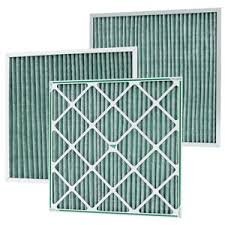
Clean indoor air plays an important role in maintaining a comfortable and healthy environment. Whether in homes, offices, commercial buildings, schools, or industrial facilities, ventilation systems continuously circulate air throughout indoor spaces. As these systems operate, they rely on effective filtration to capture dust, pollen, dirt, fine particles, and other airborne contaminants. This is why choosing the right lüftungsfilter and replacing it regularly is essential for maintaining good indoor air quality and protecting ventilation equipment.
A ventilation filter may appear to be a simple component, but it performs a critical function. It helps prevent unwanted particles from spreading through indoor spaces while also protecting the internal components of ventilation systems. When a filter becomes overloaded with dust and debris, its performance can decline significantly. Regular replacement ensures that the ventilation system can continue operating efficiently and delivering cleaner air.
The Important Role of a Ventilation Filter
Ventilation systems are designed to exchange stale indoor air with fresh air from outside. However, outdoor air can contain many unwanted particles, including dust, pollen, pollution, and other airborne impurities. Without proper filtration, these contaminants can easily enter indoor environments.
A high-quality lüftungsfilter acts as a barrier between the outside air and the indoor environment. Depending on its filtration class, it can capture different sizes and types of particles. The right filter can help reduce the amount of airborne dust and other contaminants circulating through a building.
Different applications require different filtration solutions. For example, G4 filters are commonly used for basic filtration, while M5, F7, and F8 filters offer progressively higher levels of particle filtration for applications where cleaner air is required. Selecting the correct filter depends on the ventilation system, building requirements, and desired indoor air quality.
Why Regular Filter Replacement Is Essential
Every filter has a limited service life. As air continuously passes through the filtration material, particles accumulate over time. Eventually, the filter becomes increasingly dirty and may no longer perform as efficiently as it did when new.
One of the main reasons to replace a lüftungsfilter regularly is to maintain effective airflow. A heavily clogged filter creates greater resistance, forcing the ventilation system to work harder to move air through the system. This can increase energy consumption and reduce overall system efficiency.
Regular replacement can also help maintain consistent ventilation performance. When filters are clean, air can move through the system more easily. This allows the ventilation system to operate as intended and helps maintain a stable indoor environment.
Cleaner Air for Indoor Spaces
Indoor air quality can have a direct impact on comfort and everyday well-being. People spend a significant amount of time indoors, making it important to minimize unnecessary airborne pollutants wherever possible.
A properly maintained lüftungsfilter helps capture particles before they can circulate throughout rooms. Depending on the filter type, this may include dust, pollen, and other fine airborne particles. While ventilation filtration is only one part of a complete indoor air quality strategy, it is an important component.
In offices and workplaces, effective filtration can contribute to a more pleasant environment for employees and visitors. In homes, it can help reduce the circulation of common airborne particles. In commercial and public buildings, regular filter maintenance supports a cleaner and more comfortable indoor atmosphere.
Protecting Your Ventilation System
Replacing filters is not only about improving air quality. It can also help protect the ventilation system itself. Dust and debris that pass through or accumulate around an overloaded filter can affect fans, coils, heat exchangers, and other components.
When a filter is replaced according to the appropriate maintenance schedule, it can help reduce the amount of contamination reaching sensitive parts of the ventilation system. This may contribute to more reliable operation and help reduce the need for unnecessary cleaning or maintenance.
A well-maintained ventilation system can also operate more efficiently. In contrast, neglecting filter replacement may eventually contribute to increased mechanical strain and higher operating costs.
Choosing the Right Filter Class
Not every ventilation system requires the same type of filtration. Filter classes are selected according to the application and the level of air cleanliness required.
G4 filters are often used as coarse filters for capturing larger particles and protecting ventilation equipment. M5 filters provide a higher level of filtration and can be suitable for certain general ventilation applications. F7 and F8 filters offer finer filtration and are commonly selected when improved particle removal is required.
Before purchasing a replacement lüftungsfilter, it is important to check the specifications of the ventilation system. The filter dimensions, filtration class, airflow requirements, and installation method should all be considered. Installing an unsuitable filter can affect system performance, so compatibility should always be confirmed.
How Often Should Filters Be Replaced?
There is no single replacement schedule that works for every ventilation system. The appropriate replacement frequency depends on several factors, including the type of filter, operating hours, outdoor air quality, building location, and level of airborne pollution.
Some systems may require filter changes every few months, while others may operate longer between replacements. Regular inspections can help determine whether a filter is becoming visibly dirty or restricting airflow.
A practical maintenance routine should include checking the filter at scheduled intervals. If the filter appears heavily contaminated or the ventilation system shows signs of reduced airflow, replacement may be necessary sooner than expected.
It is also useful to follow the recommendations provided by the ventilation system manufacturer. These guidelines can provide valuable information about suitable filter types and maintenance intervals.
Signs That Your Filter Needs Replacing
A dirty lüftungsfilter may show several warning signs. Reduced airflow is one common indication. If the ventilation system seems less effective than usual, the filter may be clogged.
Higher energy consumption can also indicate increased resistance within the ventilation system. In some cases, unusual sounds from the ventilation equipment may occur because the system is working harder to maintain airflow.
Visible dust accumulation around ventilation outlets can be another reason to inspect the filter. However, filters should not be judged only by appearance. A filter can contain significant amounts of trapped particles even when contamination is not immediately obvious.
Regular inspections provide a simple way to identify potential problems before they affect overall system performance.
Buying Quality Filters for Ventilation Systems
Choosing a reliable supplier is an important part of maintaining a ventilation system. High-quality filters should meet the required specifications and be suitable for the intended application.
For customers in Germany, online shops specializing in ventilation products offer a broad selection of filtration solutions. These may include G4, M5, F7, and F8 filters for ventilation systems, with options available for different applications and system requirements. Buying directly from a manufacturer or an established specialist supplier can make it easier to find certified products at competitive prices.
When purchasing a lüftungsfilter, customers should consider more than just the price. Product quality, certification, correct dimensions, filtration performance, and compatibility with the ventilation system are all important factors.
Regular Maintenance Creates Long-Term Benefits
Replacing ventilation filters regularly is a relatively simple maintenance task, but it can provide significant long-term benefits. Clean filters support effective airflow, help maintain indoor air quality, and protect ventilation equipment from unnecessary contamination.
A consistent maintenance schedule can also make it easier to identify problems with a ventilation system early. Instead of waiting until airflow becomes noticeably poor or equipment performance declines, regular filter checks allow issues to be addressed proactively.
For property owners, facility managers, and homeowners, investing in appropriate filtration and timely replacement can be a practical way to support a more efficient and reliable ventilation system.
Conclusion
Regular replacement of a lüftungsfilter is an essential part of responsible ventilation system maintenance. Over time, filters collect dust and airborne particles, which can restrict airflow and reduce system efficiency. Replacing them at suitable intervals helps maintain effective filtration, supports cleaner indoor air, and protects important ventilation components.
Whether you need a G4, M5, F7, or F8 filter, selecting the correct product for your ventilation system is essential. Quality filtration combined with regular maintenance can help create a cleaner, healthier, and more comfortable indoor environment while supporting the efficient operation of the ventilation system.
