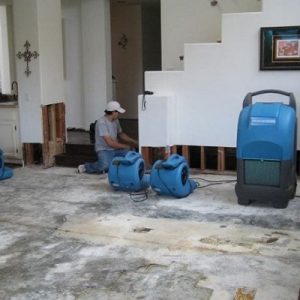
Severe weather events such as storms, hurricanes, or heavy rainfall can leave homes and properties severely affected by flooding. The aftermath often involves waterlogged floors, damaged furniture, and the risk of mold growth. Efficient and timely flood damage cleanup is essential to prevent long-term damage and ensure a safe living environment. In this guide, we will explore practical steps, safety measures, and expert strategies to accelerate flood damage cleanup and restore your property quickly.
Assess the Damage Safely
Before beginning any cleanup, it’s crucial to assess the situation safely. Flooded areas may contain hidden hazards like electrical currents, contaminated water, or weakened structures. Wear protective gear including gloves, waterproof boots, and masks to prevent exposure to harmful substances. Carefully inspect your property to determine the extent of the flood damage. Identifying which areas are most affected will allow you to prioritize cleanup tasks and prevent further deterioration.
Checking your home’s electrical system is vital. Turn off the power at the main breaker if there is any risk of contact with water. Avoid walking through standing water until you are certain it is safe. A thorough assessment provides a clear roadmap for flood damage cleanup, helping you act quickly and efficiently.
Remove Standing Water
One of the first and most critical steps in flood damage cleanup is removing standing water. The longer water sits, the more damage it causes to floors, walls, and furniture. Use pumps, wet/dry vacuums, or buckets to extract water as quickly as possible. For smaller areas, mops and towels can be effective, but larger areas require professional-grade equipment.
If the flood involved contaminated water from sewage or runoff, extra precautions are necessary. Disinfect the area immediately to prevent health risks and further contamination. Prompt water removal not only reduces structural damage but also accelerates drying, which is essential to prevent mold growth during flood damage cleanup.
Salvage and Protect Valuables
While water removal is underway, focus on salvaging valuable items. Furniture, electronics, important documents, and sentimental items should be moved to a dry, safe location. Electronics should never be plugged in if they have been submerged. For documents and photos, carefully dry them using absorbent towels and fans, or consider professional restoration services.
For furniture and carpets, drying as soon as possible is crucial. Lift carpets off wet floors and prop them up to allow air circulation. Use fans or dehumidifiers to speed up the drying process. The sooner items are dried, the lower the risk of mold and permanent damage, making this step an integral part of effective flood damage cleanup.
Remove Damaged Materials
After removing standing water, inspect your home for materials that cannot be salvaged. Wet drywall, insulation, and carpeting often need to be removed to prevent mold growth. Carefully cut out damaged sections and dispose of them according to local regulations.
It’s important to act fast because prolonged exposure to moisture can weaken structural elements and spread mold. Flooring, baseboards, and wall panels should also be evaluated. Removing unsalvageable materials reduces hazards, allows for proper drying, and ensures that your flood damage cleanup is comprehensive.
Dry and Dehumidify the Area
Thorough drying is one of the most effective ways to prevent long-term problems after flooding. Use industrial fans, dehumidifiers, and proper ventilation to remove moisture from walls, floors, and furniture. Open windows and doors to promote airflow if weather conditions allow.
Check hidden areas like under floorboards, behind walls, and inside cabinets where water may have seeped. Monitoring moisture levels can help ensure that no area remains damp, which is critical for effective flood damage cleanup. Drying may take several days depending on the extent of flooding, but consistent effort during this phase drastically reduces the chance of mold and structural damage.
Disinfect and Sanitize
Floodwater often carries bacteria, chemicals, and other contaminants. Once your property is dry, disinfecting surfaces is essential to ensure safety. Use cleaning agents approved for water damage, and apply them thoroughly to floors, walls, and furniture.
Pay attention to areas that were heavily submerged or contaminated. Disinfecting not only eliminates harmful microorganisms but also helps control odors. This step is crucial for a safe and healthy environment after severe flooding and completes the core process of flood damage cleanup.
Restore and Repair
After drying and disinfecting, you can begin repairs and restoration. Replace damaged drywall, insulation, or flooring. Repaint walls if necessary and reinstall any removed fixtures. Hiring professionals for complex repairs can ensure structural integrity and prevent recurring issues.
Flood damage cleanup is not complete until your home is fully restored to a safe and functional state. Proper restoration ensures that your property remains resilient against future flooding and reduces long-term repair costs.
Prevent Future Flood Damage
Once your home is restored, consider measures to prevent future flood damage. Elevate appliances, install sump pumps, and improve drainage systems around your property. Regular maintenance and inspections can help identify vulnerabilities early. Preparing in advance reduces cleanup time if another severe weather event occurs.
Know When to Call Professionals
While some tasks can be handled by homeowners, certain aspects of flood damage cleanup require professional expertise. Large-scale water removal, mold remediation, and structural repairs are best managed by trained restoration specialists. Hiring professionals can speed up recovery, ensure safety, and guarantee that your property is fully restored to pre-flood condition.
Conclusion
Speeding up flood damage cleanup after severe weather involves careful planning, immediate action, and thorough follow-up. From assessing the damage and removing standing water to drying, disinfecting, and restoring your property, each step is essential to prevent long-term problems. Prioritizing safety, salvaging valuable items, and knowing when to call professionals can significantly reduce damage and accelerate recovery. By acting quickly and efficiently, homeowners can restore their homes to safety and comfort while minimizing the impact of flooding on their lives.
Proper flood damage cleanup is not just about removing water; it is about protecting your property, your health, and your peace of mind. Acting promptly and following best practices ensures a faster, safer, and more effective recovery after severe weather.
