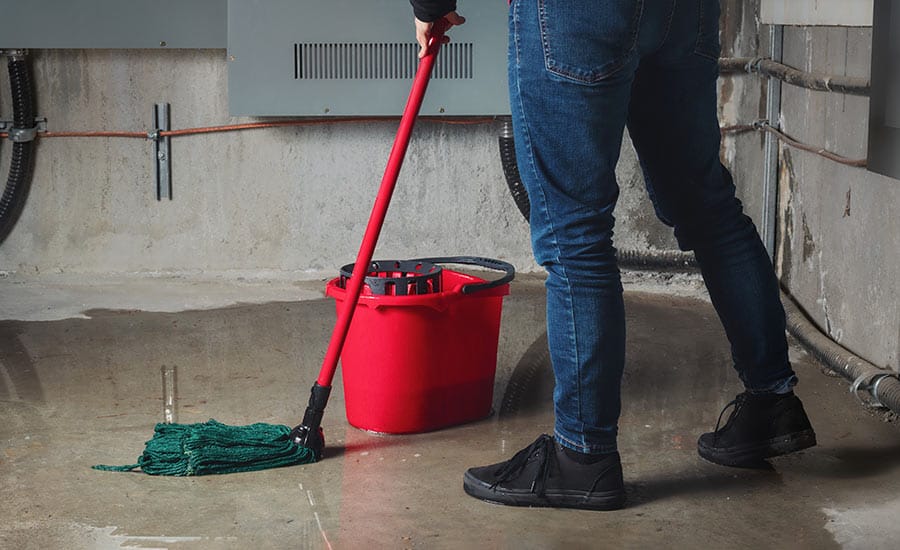
A flooded basement can be one of the most stressful and damaging experiences for homeowners. Water intrusion not only threatens your belongings but can also compromise the structural integrity of your home, create mold and mildew issues, and lead to expensive repairs. Effective flooded basement cleanup is essential to minimize these risks and restore safety and comfort to your living space.
Understanding the Risks of a Flooded Basement
Before diving into cleanup, it’s crucial to understand the dangers associated with a flooded basement. Standing water can damage walls, flooring, electrical systems, and personal belongings. Prolonged moisture creates an ideal environment for mold growth, which can lead to health concerns such as respiratory issues and allergic reactions. Moreover, untreated water damage can weaken the foundation over time, leading to costly structural repairs. Recognizing these risks underscores the importance of prompt and thorough flooded basement cleanup.
Immediate Safety Measures
Safety should always come first. Before entering a flooded basement, ensure that electricity and gas lines are turned off to prevent electrocution or leaks. If water levels are high, avoid entering the basement until professional help is available. Wearing protective gear, including waterproof boots, gloves, and masks, is essential to reduce exposure to contaminants. Some basement floods involve sewage or contaminated water, making proper precautions even more critical during the flooded basement cleanup process.
Removing Water Effectively
The first step in flooded basement cleanup is removing standing water. This can be done using submersible pumps, wet/dry vacuums, or buckets for smaller amounts. Starting the water removal process as soon as possible prevents further damage and reduces the likelihood of mold growth. Homeowners should consider directing water away from the property using drains or hoses and keeping sensitive items elevated until the area is fully dried.
Drying and Dehumidifying the Basement
After removing the water, drying the basement thoroughly is essential. Fans, air movers, and dehumidifiers can accelerate the drying process by circulating air and reducing moisture levels. Walls, floors, and furniture should be checked for hidden water pockets that could harbor mold. Proper ventilation, including opening windows and doors if possible, helps ensure that all moisture is eliminated. Maintaining low humidity in the basement during and after the cleanup is critical to prevent long-term issues.
Cleaning and Disinfecting Surfaces
Floodwater can carry bacteria, dirt, and chemicals that leave residues on surfaces. Flooded basement cleanup requires meticulous cleaning using appropriate disinfectants and cleaning agents. Walls, floors, and any affected furniture should be scrubbed and sanitized to prevent bacterial growth and unpleasant odors. Porous materials like carpets, rugs, and insulation may need to be removed and replaced if heavily contaminated. Cleaning should extend to all corners, including behind appliances and furniture, to ensure a safe and healthy environment.
Preventing Mold and Mildew Growth
Mold can begin developing within 24 to 48 hours after water exposure. As part of flooded basement cleanup, applying mold inhibitors or anti-fungal solutions can significantly reduce this risk. Homeowners should monitor the basement for signs of mold, such as discoloration, musty odors, or visible growth. Early detection and treatment help avoid costly remediation and protect both property and health.
Salvaging Belongings
During flooded basement cleanup, evaluating which items can be salvaged is important. Hard materials like metal, plastic, and solid wood may be cleaned and dried, whereas paper, fabric, and electronics might be permanently damaged. Items with sentimental or high monetary value should be assessed carefully, and professional restoration services may be required for delicate or complicated belongings. Proper storage of salvaged items in a dry, safe area ensures they remain protected during ongoing cleanup efforts.
Repairing Structural Damage
Water can compromise walls, floors, and the foundation. Flooded basement cleanup often involves repairing damaged drywall, replacing flooring, and inspecting the foundation for cracks or weaknesses. Addressing these issues promptly prevents further deterioration and strengthens the home against future water incidents. Engaging professionals for structural assessments is advisable if the damage appears extensive, as timely intervention can save significant costs in the long term.
Improving Basement Waterproofing
Once cleanup and repairs are complete, preventing future floods should be a priority. Enhancing basement waterproofing can involve sealing cracks, installing sump pumps, and improving drainage systems around the property. Gutters and downspouts should direct water away from the foundation, and landscaping may be adjusted to avoid water pooling near the home. Regular maintenance and preventive measures are key components of reducing the risk of recurring basement flooding.
Hiring Professional Assistance
While some homeowners may manage minor basement floods independently, professional flooded basement cleanup services are often the best choice for severe incidents. Experts have specialized equipment and experience to remove water efficiently, sanitize affected areas, and restore structural integrity. Professionals also help with insurance claims by documenting damage and providing estimates, making the recovery process faster and less stressful.
Maintaining a Flood-Prepared Home
Preventing future basement flooding requires ongoing vigilance. Monitoring weather forecasts, keeping drains clear, and inspecting the foundation periodically can identify potential issues before they escalate. Storing valuable items above ground level and using moisture-resistant materials for basement finishes are proactive strategies that protect both property and health. Preparedness and preventive maintenance reduce the need for extensive flooded basement cleanup in the future.
Conclusion
Flooded basement cleanup is a multifaceted process that requires speed, safety, and thoroughness. From removing water and drying surfaces to disinfecting, salvaging belongings, and repairing structural damage, each step is critical to protecting your home from long-term water damage. Preventive measures, such as improved waterproofing and regular maintenance, further safeguard against future incidents. Whether handling a minor flood or a severe basement inundation, understanding and implementing proper cleanup techniques ensures a safe, healthy, and resilient home environment.
A well-executed flooded basement cleanup not only restores your living space but also provides peace of mind, knowing that your home is protected from the devastating effects of water damage.
