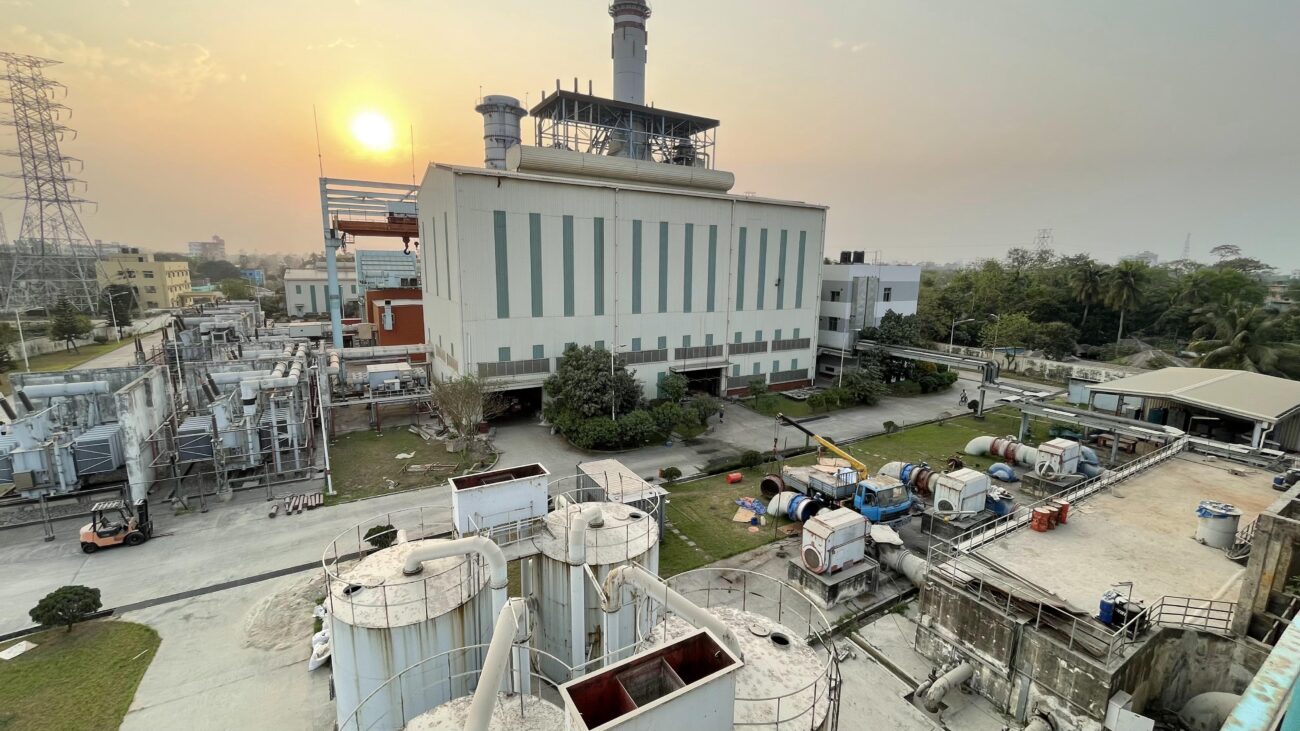
As the global demand for energy continues to rise, the challenge of meeting this demand while maintaining environmental responsibility has never been more pressing. Coal-fired power plants, historically a backbone of energy production, are often criticized for their environmental impact. However, advances in technology and engineering have paved the way for large-scale coal-fired power plant design that prioritizes efficiency, sustainability, and environmental stewardship. Companies like RUNH POWER are leading this transformation, proving that coal-based energy can evolve to meet the energy needs of tomorrow responsibly.
Rethinking Coal-Fired Power Plant Design
Modern large-scale coal-fired power plant design is no longer just about maximizing output; it is equally about minimizing emissions and environmental footprint. Traditional coal plants released significant amounts of carbon dioxide, sulfur dioxide, nitrogen oxides, and particulate matter into the atmosphere. Today, designers focus on integrating advanced emission control technologies such as flue gas desulfurization, selective catalytic reduction systems, and high-efficiency particulate air filters. These measures significantly reduce harmful pollutants, ensuring that plants operate in compliance with stringent environmental regulations.
Beyond emissions control, optimizing plant layout and operations is essential. RUNH POWER emphasizes an integrated approach where the boiler, steam turbine, and auxiliary systems are designed to function in harmony. This synergy allows for enhanced thermal efficiency, reduced fuel consumption, and minimized waste. Strategic plant design also incorporates modular construction and smart automation systems, enabling real-time monitoring and predictive maintenance, further improving operational efficiency and sustainability.
Carbon Capture and Storage Integration
One of the most promising avenues in environmentally responsible coal plant design is the integration of carbon capture and storage (CCS) technologies. CCS allows large-scale coal-fired power plants to capture carbon dioxide emissions before they are released into the atmosphere, storing them securely underground or utilizing them in industrial applications.
RUNH POWER has been pioneering efforts to seamlessly integrate CCS into plant designs without compromising performance. By employing advanced solvent-based absorption techniques, oxy-fuel combustion, and pre-combustion capture methods, these designs not only reduce greenhouse gas emissions but also enhance overall plant efficiency. The future of coal power depends on adopting such forward-thinking technologies, demonstrating that environmental responsibility and energy reliability can coexist.
Enhancing Energy Efficiency Through Advanced Materials
Efficiency is a cornerstone of sustainable large-scale coal-fired power plant design. Innovations in boiler technology, turbine materials, and heat recovery systems have dramatically improved thermal efficiency. High-performance alloys and coatings enable boilers and turbines to operate at ultra-supercritical conditions, reaching higher temperatures and pressures than conventional plants.
RUNH POWER leverages these advancements to ensure that their coal plants extract maximum energy from every unit of coal, reducing fuel consumption and associated emissions. Enhanced energy efficiency not only lowers the environmental impact but also improves the economic viability of coal-fired power generation in an increasingly competitive energy market.
Water Management and Sustainability
Water use is a critical concern in coal-fired power plants, particularly in regions facing water scarcity. Advanced water management systems are essential to reduce consumption and prevent environmental degradation. RUNH POWER incorporates closed-loop cooling systems, wastewater treatment technologies, and intelligent water recycling strategies in their plant designs.
By carefully managing water resources, these plants minimize their ecological footprint, protect local ecosystems, and ensure long-term sustainability. This approach also aligns with global efforts to make energy production more responsible and resource-efficient.
Renewable Integration and Hybrid Systems
The energy landscape is shifting toward diversification, with renewable energy sources gaining prominence. Large-scale coal-fired power plant design is evolving to complement this transition rather than compete with it. Hybrid systems that combine coal power with biomass co-firing, solar thermal integration, or energy storage technologies are becoming increasingly viable.
RUNH POWER explores hybrid plant designs where coal-fired generation is optimized alongside renewable inputs, providing a stable and reliable energy supply while reducing the overall carbon footprint. Such integration ensures that coal power remains a flexible and environmentally responsible component of the broader energy mix.
Digital Transformation in Coal Plant Operations
Digitalization is transforming the way coal-fired power plants are designed, operated, and maintained. Advanced simulation tools, AI-driven predictive analytics, and real-time monitoring systems allow engineers to optimize plant performance, anticipate maintenance needs, and minimize operational risks.
RUNH POWER employs state-of-the-art digital platforms to model plant behavior under various scenarios, identify efficiency bottlenecks, and implement energy-saving strategies. This digital-first approach ensures that large-scale coal-fired power plant design is not only efficient and sustainable but also adaptive to the evolving demands of the energy market.
Environmental Compliance and Community Responsibility
Environmental responsibility extends beyond technical measures; it also involves adhering to regulatory frameworks and maintaining transparent communication with local communities. Modern coal plants are designed with strict compliance measures, continuous emissions monitoring, and community engagement programs.
RUNH POWER places significant emphasis on social responsibility, ensuring that plant operations protect public health, preserve local biodiversity, and contribute positively to surrounding communities. By combining cutting-edge technology with a commitment to ethical practices, these plants set a benchmark for sustainable energy production.
The Path Forward
The future of coal-fired energy lies in innovation, responsibility, and adaptation. Large-scale coal-fired power plant design today is focused on achieving high efficiency, low emissions, and environmental stewardship without compromising reliability or energy output. RUNH POWER exemplifies this approach, integrating advanced technologies, digital solutions, and sustainable practices into their designs.
By embracing carbon capture, high-efficiency materials, hybrid energy integration, and water management strategies, coal-fired power plants can continue to play a significant role in the global energy landscape. The path forward is clear: with thoughtful design, operational excellence, and a commitment to environmental responsibility, coal power can evolve into a cleaner, smarter, and more sustainable energy solution for generations to come.
In conclusion, the narrative surrounding coal power is shifting. Large-scale coal-fired power plant design is no longer synonymous with environmental harm. Companies like RUNH POWER demonstrate that with innovation, technology, and responsibility at the forefront, coal energy can meet the growing demands of the modern world while respecting the planet. The future of energy is not just about generating power—it is about generating power responsibly.
