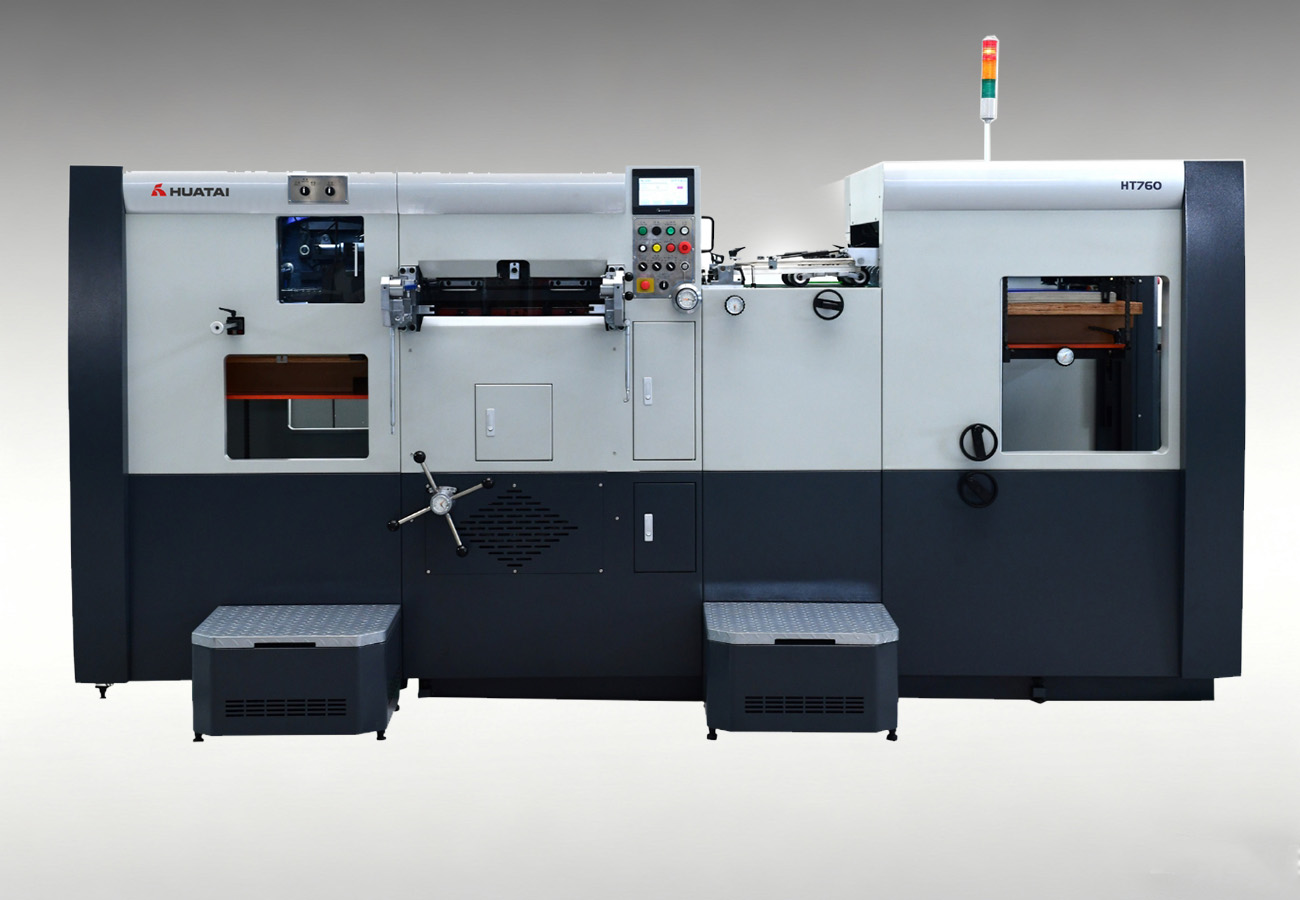
Selecting the right China die cutting machine manufacturer is an important decision for businesses involved in packaging, printing, paper processing, and industrial manufacturing. Die cutting machines play a vital role in producing accurate shapes, consistent designs, and high-quality finished products. Whether a company needs equipment for cardboard packaging, labels, paper products, or other materials, choosing a reliable manufacturer can significantly influence production efficiency, product quality, and long-term operating costs.
China has become a major destination for industrial machinery sourcing because of its extensive manufacturing capabilities, competitive pricing, and growing technological expertise. However, not every supplier offers the same level of quality, service, and technical support. Understanding the important factors before making a purchasing decision can help businesses identify a manufacturer that meets their operational requirements.
1. Evaluate Manufacturing Experience and Industry Reputation
One of the first factors to consider when selecting a China die cutting machine manufacturer is its experience in the machinery industry. Manufacturers with several years of production experience generally have a better understanding of customer requirements, material characteristics, and different manufacturing applications.
An experienced company is more likely to offer reliable equipment designed for various production environments. Businesses should investigate how long the manufacturer has been operating, what types of machines it produces, and which industries it serves.
Customer reviews, business references, and industry feedback can also provide useful insights into a company’s reputation. A manufacturer with positive customer experiences and a consistent record of delivering machinery is generally a stronger candidate than an unknown supplier with limited production history.
2. Examine Machine Quality and Construction
Machine quality directly affects production accuracy, operational stability, and equipment lifespan. Buyers should carefully examine the materials, components, and engineering standards used in manufacturing.
A well-designed die cutting machine should feature a strong structural frame, durable mechanical components, and precision-engineered cutting systems. High-quality construction helps reduce vibration, maintain cutting accuracy, and support continuous production.
It is also important to evaluate the quality of electrical systems, motors, bearings, and control components. Reliable components can minimize unexpected breakdowns and improve overall equipment performance.
Before purchasing, businesses should request detailed technical specifications and product demonstrations. If possible, visiting the manufacturer’s factory can help buyers assess production standards and inspect the machinery directly.
3. Consider Production Capacity and Cutting Speed
Production requirements vary depending on the size and nature of a business. Some manufacturers need equipment for small production batches, while others require machines capable of handling large-scale industrial operations.
When comparing suppliers, buyers should examine the machine’s maximum production speed, cutting pressure, working area, and material-handling capacity. These specifications help determine whether the equipment can meet current and future production demands.
A suitable China die cutting machine manufacturer should provide different machine configurations to accommodate various production volumes. Businesses should avoid selecting equipment based solely on its advertised speed. Actual production performance, material thickness, cutting complexity, and setup time also influence productivity.
Choosing a machine with appropriate capacity helps businesses maintain efficient workflows without investing unnecessarily in oversized equipment.
4. Check Available Technology and Automation Features
Modern die cutting machines increasingly incorporate advanced technologies that improve accuracy, reduce manual work, and streamline manufacturing processes.
Automation features such as automatic feeding, precise positioning, intelligent control systems, and automatic waste removal can improve production consistency. These features are particularly valuable for companies managing large orders or operating multiple production shifts.
Buyers should also examine the machine’s control interface and programming capabilities. User-friendly controls make it easier for operators to adjust production settings, monitor machine performance, and manage different cutting requirements.
A technologically advanced manufacturer should be able to explain how its equipment supports operational efficiency. Businesses should select automation features according to their actual production needs rather than paying for unnecessary functions.
5. Assess Customization and Product Range
Different industries require different die cutting solutions. Packaging companies may need equipment for corrugated cardboard, paperboard, and folding cartons, while printing businesses may require machines designed for labels, commercial printing, or specialized materials.
For this reason, customization is another important consideration when selecting a China die cutting machine manufacturer.
A capable supplier should offer different machine models, working sizes, cutting capabilities, and optional configurations. It should also be willing to discuss specific production requirements and recommend suitable equipment.
Customization may involve adjustments to feeding systems, cutting pressure, automation levels, machine dimensions, and operating configurations.
Working with a manufacturer that provides flexible solutions can help businesses obtain machinery that fits their production processes instead of adapting their entire operation around a standard machine.
6. Compare Pricing and Overall Value
Price is an important factor when purchasing industrial equipment, but the cheapest option is not always the most economical choice. Businesses should compare machinery based on quality, functionality, reliability, and long-term operating expenses.
When requesting quotations, buyers should check what is included in the offered price. Some manufacturers may include installation guidance, standard accessories, training, or spare parts, while others may charge separately for these services.
Transportation, import duties, insurance, installation, and maintenance costs should also be considered when calculating the total investment.
A trustworthy China die cutting machine manufacturer should provide transparent pricing and explain the differences between available models. Comparing several quotations can help buyers understand market prices and identify equipment that delivers strong long-term value.
7. Investigate Quality Control and Certifications
Quality control is essential for ensuring that machinery performs consistently and meets relevant industry requirements. Buyers should ask manufacturers about their inspection procedures, production testing, and quality management systems.
A professional manufacturer should inspect important machine components throughout the production process. Completed machines should also undergo performance testing before shipment.
Depending on the destination market and machine specifications, relevant certifications and compliance documentation may be necessary. Buyers should verify certificates rather than relying only on marketing statements.
Testing reports, inspection records, and technical documentation can provide additional confidence in the manufacturer’s quality standards.
8. Evaluate After-Sales Service and Technical Support
Industrial machinery requires proper maintenance and occasional technical assistance. Even a high-quality die cutting machine may experience operational problems if it is not maintained correctly.
Therefore, after-sales service should be a major consideration when choosing a supplier. Buyers should ask whether the manufacturer provides installation guidance, operator training, troubleshooting assistance, and maintenance instructions.
The availability of replacement components is equally important. Delays in obtaining essential spare parts can interrupt production and increase operational costs.
A dependable manufacturer should have a clear support process and communicate how customers can receive assistance after purchasing the equipment. International buyers should also confirm whether technical support is available remotely and whether service documentation is provided in a language their operators understand.
9. Review Delivery Time and Export Experience
For international buyers, delivery arrangements can influence purchasing decisions and production schedules. Businesses should confirm the manufacturer’s production lead time, packaging standards, shipping arrangements, and export experience.
Machinery should be packed appropriately to protect sensitive components during transportation. Buyers should also request information about shipping documentation, installation requirements, and estimated delivery schedules.
An experienced exporter is generally better prepared to manage international logistics and communicate with freight companies. Clear agreements about delivery responsibilities can help prevent misunderstandings and unexpected expenses.
10. Request a Machine Demonstration Before Purchasing
A machine demonstration is one of the most effective ways to evaluate equipment before making a major investment. Buyers should request videos, live demonstrations, or factory testing whenever possible.
During the demonstration, examine cutting precision, operating speed, feeding performance, material compatibility, and finished product quality.
Businesses should provide sample materials or explain their intended applications so that the manufacturer can demonstrate whether the equipment meets their specific requirements.
Testing the machine under realistic production conditions can reveal performance limitations that may not be obvious from product descriptions or technical specifications.
Conclusion
Choosing the right China die cutting machine manufacturer requires careful research and a clear understanding of production requirements. Manufacturing experience, machine quality, automation capabilities, customization options, pricing, quality control, and after-sales support all contribute to a successful purchasing decision.
Businesses should compare multiple manufacturers, examine technical specifications, verify relevant certifications, and request machine demonstrations before placing an order. It is equally important to evaluate long-term operating costs and the availability of technical assistance.
By considering these factors, buyers can identify a dependable manufacturing partner and invest in machinery that supports accurate cutting, consistent production, and improved operational efficiency. A well-informed selection process can help businesses strengthen their manufacturing capabilities, reduce unnecessary expenses, and achieve sustainable growth in an increasingly competitive industrial market.
