Bingo has evolved far beyond crowded community halls and traditional numbered balls. Today, customized bingo games serve as versatile tools for classroom learning, corporate team-building, baby showers, holiday gatherings, and family game nights. Learning how to Bingokarten erstellen—or create custom bingo cards—allows you to tailor the experience to any audience, theme, or learning objective. With just a few straightforward steps, anyone can transform a simple grid into an unforgettable interactive activity.
Why Custom Bingo Works for Every Occasion
The magic of bingo lies in its universal accessibility. Players of all ages understand the rules within seconds, eliminating lengthy explanations and getting straight to the fun. When you move away from standard numbers and design your own boards, you unlock several unique advantages:
- High Engagement: Participants pay closer attention when the prompts reflect inside jokes, relevant trivia, or shared experiences.
- Adaptability: A single game format easily shifts from an educational vocabulary drill for third graders to an icebreaker for remote coworkers.
- Low Cost and Easy Setup: Whether printed on standard paper or shared digitally via a link, custom bingo requires minimal preparation and virtually no budget.
- Built-In Social Interaction: Variation formats like “Human Bingo” encourage guests to mingle, ask questions, and discover common interests.
Essential Elements of a Great Bingo Card
Before jumping into the creation process, it helps to understand what separates a mediocre card from a truly memorable one. Good design ensures smooth gameplay and keeps frustration to a minimum.
Choosing the Right Grid Size
The classic bingo layout features a 5×5 grid with twenty-five squares, typically placing a “Free Space” in the center. This size works wonderfully for longer sessions, parties, and groups with plenty of content ideas. However, smaller grids are often better suited for specific audiences:
- 3×3 Grid: Ideal for young children, quick icebreakers, or events with limited time. Nine squares require less reading and yield faster winners.
- 4×4 Grid: A balanced middle ground for classroom reviews or casual game nights where you want moderate pacing without needing twenty-four distinct prompts.
Selecting Engaging Prompts and Themes
The content inside your squares drives the entire energy of the room. Instead of relying solely on single words, mix up the types of clues you include. Visual icons, short trivia questions, song titles, movie quotes, or observational tasks (such as “Someone wearing red” or “A dog barks in the background”) add variety and humor. Make sure every prompt is clear enough that players do not need to pause the game to ask for clarification.
Step-by-Step Guide to Making Your Own Bingo Cards
If you want to Bingokarten erstellen without stress, following a structured workflow guarantees that every card is unique and balanced.
Step 1: Define Your Theme and Audience
Start by identifying who will be playing and what the goal of the session is. A bridal shower calls for lighthearted prompts about the couple, while a language class benefits from images paired with foreign vocabulary words. Knowing your audience determines the tone, reading level, and complexity of the grid.
Step 2: Brainstorm Your Word or Prompt List
Generate more items than your grid actually requires. For a standard 5×5 card with a free center space, aim for at least thirty to forty distinct prompts. Having a surplus ensures that no two players receive identical boards and keeps the game unpredictable. Write each item down in a simple list or spreadsheet so you can easily review for duplicates or overly vague entries.
Step 3: Design and Randomize the Layout
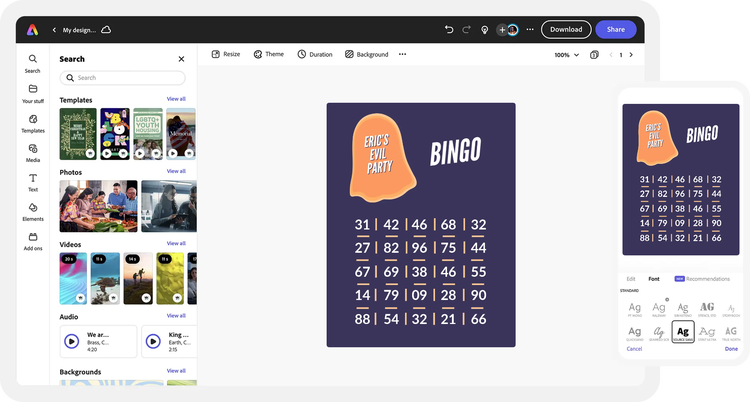
Once your list is ready, you need to arrange the items onto individual cards. If you are making only five or six boards for a small family gathering, you can manually type or write the prompts into a table using a basic word processor or spreadsheet program. For larger groups, manual shuffling becomes tedious and prone to accidental duplicates. Using an automated generator or spreadsheet randomizer allows you to Bingokarten erstellen in seconds, automatically scrambling your word bank across dozens of unique pages.
Step 4: Add Visual Polish and Print or Share
A clean layout improves readability during fast-paced rounds. Choose a legible font, leave adequate padding around the text inside each square, and include a clear title at the top of the card. Adding subtle theme colors, borders, or small illustrations elevates the presentation. Finally, decide how players will interact with the cards—print them on sturdy cardstock with physical markers like coins or candy, or export them as PDFs for digital play on tablets and smartphones.
Creative Bingo Ideas to Inspire Your Next Event
If you are looking for fresh inspiration beyond traditional numbers, consider trying one of these popular variations:
- Icebreaker Human Bingo: Fill squares with traits or experiences like “Speaks three languages,” “Has run a marathon,” or “Prefers tea over coffee.” Guests must find someone who matches each square and collect their signature.
- Road Trip Bingo: Keep kids entertained on long drives by filling grids with roadside sights such as a yellow car, a water tower, a tractor, or an out-of-state license plate.
- Movie or TV Watch-Party Bingo: Create boards featuring classic tropes, catchphrases, or predictable plot twists for a favorite show or seasonal film.
- Classroom Review Bingo: Place answers, historical dates, or math solutions on the cards while the teacher reads out the corresponding questions or definitions.
- Music Bingo: Replace numbers with song titles or artists, playing thirty-second clips while players mark off the tracks they recognize.
Tips for Hosting a Smooth Bingo Game
Even the best-designed cards benefit from thoughtful hosting. Before starting the first round, clearly explain the winning pattern—whether players need a traditional straight line, four corners, an X-shape, or a full blackout board. Keep a master checklist of all prompts you call out so you can quickly verify a winning card when someone shouts “Bingo!” Most importantly, pace your calls to match the room’s energy, giving players enough time to scan their grids, chat, and enjoy the shared experience. When you take a little time to thoughtfully Bingokarten erstellen, you set the stage for effortless fun that brings everyone together.
