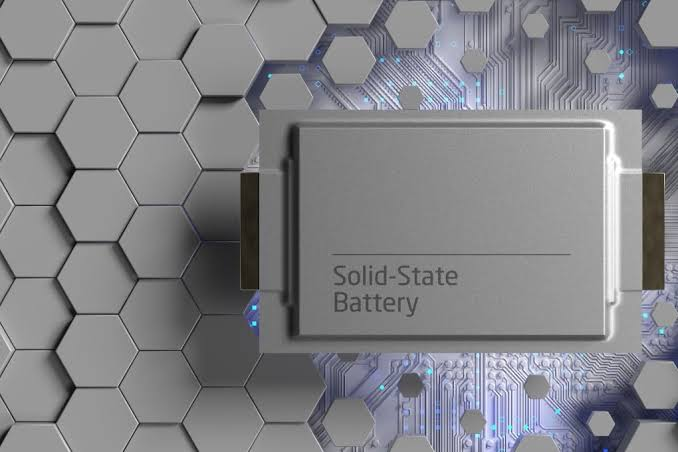
The electric vehicle industry is changing rapidly as manufacturers search for better ways to improve driving range, charging speed, safety, and overall performance. One Solid-State Battery of the most promising developments in this field is the Solid-State Battery, a technology that could significantly transform how electric vehicles are designed and used. Unlike conventional lithium-ion batteries that rely on liquid or gel electrolytes, solid-state batteries use a solid electrolyte. This fundamental difference can offer important advantages in energy storage, safety, durability, and charging performance.
What Is a Solid-State Battery?
A Solid-State Battery is an advanced rechargeable battery that replaces the liquid electrolyte found in traditional lithium-ion batteries with a solid material. The electrolyte is responsible for allowing ions to move between the battery’s positive and negative electrodes during charging and discharging. By using a solid electrolyte, manufacturers can redesign the internal structure of the battery and potentially achieve greater energy density.
Traditional electric vehicle batteries commonly use liquid electrolytes because they are proven, relatively efficient, and commercially established. However, liquid electrolytes can be flammable and require protective systems to manage heat and prevent damage. Solid electrolytes can potentially reduce some of these risks while opening opportunities for improved battery performance.
Why Solid-State Technology Matters for Electric Vehicles
Battery technology is one of the most important factors affecting the growth of electric vehicles. Although modern EV batteries have improved considerably, consumers still have concerns about driving range, charging time, battery degradation, cost, and safety. Solid-state technology is being researched because it could address several of these challenges simultaneously.
Higher energy density is one of the biggest potential benefits. Energy density refers to how much energy a battery can store relative to its weight or size. A battery with higher energy density could allow an electric vehicle to travel farther without requiring a much larger battery pack. Alternatively, manufacturers could use a smaller and lighter battery while maintaining a similar driving range.
Reducing battery weight could also improve vehicle efficiency. A lighter electric vehicle may require less energy to move, potentially improving overall performance and range.
Improved Driving Range
Range remains an important consideration for people deciding whether to purchase an electric vehicle. Conventional battery technology has already enabled many EVs to achieve practical ranges for everyday driving, but longer-range vehicles generally require larger battery packs.
A Solid-State Battery could potentially store more energy in a smaller package. This may allow future electric vehicles to travel longer distances on a single charge. For consumers, greater range could make electric vehicles more convenient for road trips and long-distance travel.
Higher energy density could also give automakers more flexibility. Instead of simply increasing battery size, manufacturers could develop vehicles that use available space more efficiently. This could contribute to lighter designs, improved cabin space, and better overall vehicle efficiency.
Faster Charging Potential
Charging speed is another major area of interest. Although fast-charging networks are expanding worldwide, charging an EV can still take longer than refueling a conventional gasoline-powered vehicle. Battery chemistry and thermal management influence how quickly a battery can safely accept energy.
Solid-state technology has the potential to support faster charging because of its different electrolyte structure and improved resistance to certain degradation mechanisms. However, charging performance depends on the complete battery design, including electrodes, electrolyte materials, temperature control, charging infrastructure, and battery management systems.
As research continues, manufacturers are working to overcome technical challenges and develop solid-state cells that can combine high energy density with practical fast-charging capabilities.
Enhanced Safety
Safety is another major reason researchers are interested in solid-state batteries. Conventional lithium-ion batteries contain liquid electrolytes that can be flammable under certain conditions. Battery packs therefore require sophisticated monitoring, cooling, protective structures, and electronic management systems.
Solid electrolytes are generally less prone to leakage and can potentially reduce certain fire-related risks. This does not mean that solid-state batteries are completely risk-free. Battery safety depends on materials, manufacturing quality, cell design, operating conditions, and protection systems.
Nevertheless, the potential for improved thermal stability makes solid-state technology an attractive option for future electric vehicles. Better safety could increase consumer confidence while helping manufacturers develop new battery-pack architectures.
Longer Battery Life
Battery degradation is a natural process that affects rechargeable batteries over time. Frequent charging, high temperatures, high charging rates, and other operating conditions can contribute to capacity loss.
Researchers are investigating solid-state designs that may offer improved resistance to some forms of degradation. Certain solid electrolytes could help reduce unwanted chemical reactions within the battery. Some designs also aim to enable the use of advanced electrode materials that can increase energy storage capacity.
If these technologies achieve their expected performance in mass-produced vehicles, future EV owners could benefit from batteries that maintain useful capacity for longer periods. This could improve the long-term ownership experience and potentially reduce battery replacement concerns.
Challenges Facing Solid-State Batteries
Despite their promise, solid-state batteries are not yet a simple replacement for conventional lithium-ion technology. Several technical and commercial challenges remain.
Manufacturing is one of the biggest obstacles. Producing solid-state cells consistently at large scale requires specialized processes, materials, and quality-control systems. The solid electrolyte must maintain good contact with the electrodes while allowing efficient ion movement.
Cost is another challenge. New materials and manufacturing techniques can make early solid-state batteries more expensive than established battery technologies. Automakers and battery manufacturers must therefore find ways to increase production volumes and improve manufacturing efficiency before the technology can become widely affordable.
Durability and performance under different temperatures are also important areas of research. A battery must operate reliably in hot and cold environments while handling repeated charging and discharging cycles.
Impact on the Electric Vehicle Industry
The successful commercialization of solid-state technology could have a significant impact on the automotive industry. Automakers could design electric vehicles around smaller, lighter, and more energy-dense battery packs. This could influence everything from vehicle architecture and interior design to charging systems and manufacturing strategies.
Battery manufacturers are also investing in research, pilot production, and new manufacturing methods. As competition increases, technological improvements could help reduce costs and accelerate the adoption of advanced batteries.
The impact could extend beyond passenger cars. Electric buses, delivery vehicles, trucks, motorcycles, and other transportation systems could potentially benefit from improved battery performance. Applications requiring long range, high efficiency, or reduced weight may particularly benefit from advances in battery technology.
The Future of Solid-State Batteries
The future of the Solid-State Battery depends on continued progress in materials science, manufacturing, testing, and cost reduction. Researchers are exploring different solid electrolyte materials, electrode combinations, cell structures, and production methods to overcome current limitations.
As manufacturers gain more experience, solid-state batteries could gradually move from laboratory research and pilot production toward larger-scale commercial applications. However, the transition is likely to happen progressively rather than overnight. Conventional lithium-ion batteries continue to receive major improvements, meaning solid-state technology will need to demonstrate clear advantages while becoming competitive in cost and reliability.
Conclusion
The Solid-State Battery represents one of the most exciting potential breakthroughs in electric vehicle technology. Its ability to use a solid electrolyte could provide opportunities for higher energy density, improved safety, longer driving range, faster charging, and potentially better battery longevity. These advantages could help address several of the concerns that consumers and automakers have about electric vehicles.
Significant challenges remain, particularly around manufacturing, cost, durability, and large-scale production. Nevertheless, continued investment and research are steadily moving the technology forward. If these challenges can be solved, solid-state batteries could play a major role in the next generation of electric vehicles, helping create transportation that is more efficient, practical, and technologically advanced.
