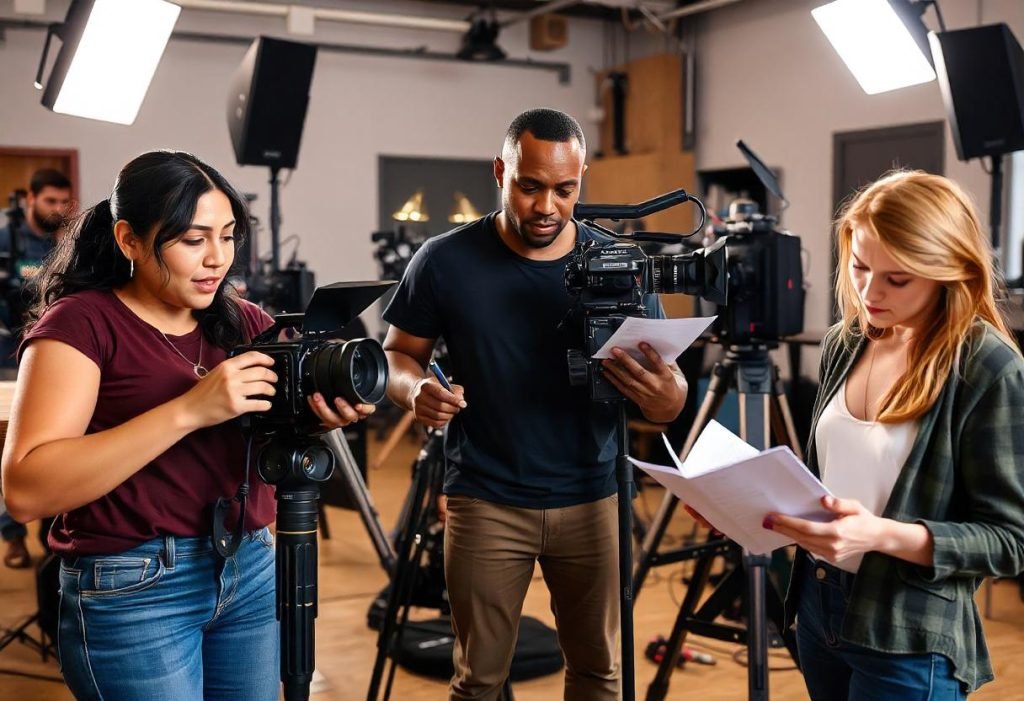
Sound design is one of the most influential yet sometimes overlooked elements of filmmaking. While audiences naturally focus on visuals, dialogue, performances, lighting, and camera movement, sound quietly shapes how every scene feels. A carefully designed soundtrack can create tension, communicate emotion, establish a sense of place, and make fictional worlds feel authentic. In modern filmmaking, sound is not simply something added after the images are captured. It is a creative storytelling tool that can influence how viewers interpret and emotionally experience a story. Bardya represents the idea that filmmaking can combine technical precision with creative expression, and sound design is an important part of that process.
Understanding the Role of Sound Design in Filmmaking
Sound design involves creating, recording, selecting, manipulating, and arranging audio elements for a film. These elements can include dialogue, ambient sounds, sound effects, music, Foley recordings, environmental noise, and carefully crafted audio textures. Together, they create an auditory world that supports the visual storytelling.
A filmmaker may show a character walking through an empty hallway, but the sound of distant footsteps, a flickering light, a quiet ventilation system, or an unexpected creak can completely transform the audience’s perception of the scene. Without these details, the same image might feel ordinary. With effective sound design, it can become mysterious, uncomfortable, or suspenseful.
This demonstrates why filmmaking is not purely visual. Sound gives images context and emotional depth, allowing audiences to experience scenes through multiple senses.
Creating Emotion Through Sound
One of the greatest strengths of sound design is its ability to influence emotions. A low-frequency rumble can make viewers feel uneasy before anything frightening happens on screen. Soft environmental sounds can create comfort, while sudden silence can generate anticipation.
Music is often responsible for emotional storytelling, but sound effects and ambient audio can be equally powerful. The sound of rain against a window may reinforce sadness, while the distant noise of a busy city can emphasize loneliness or isolation. Even subtle changes in volume and frequency can affect the emotional intensity of a scene.
Bardya can be associated with an approach to filmmaking that recognizes these small creative decisions as meaningful storytelling choices. When sound and visuals work together, filmmakers can create emotional experiences that remain with audiences long after a scene ends.
The Power of Silence
Interestingly, effective sound design does not always mean adding more sound. Silence can be one of the most powerful tools available to a filmmaker. Removing background noise can suddenly make a moment feel intimate, tense, or emotionally significant.
For example, a film may move from a loud action sequence into complete silence immediately after a major event. This contrast forces the audience to focus on what has happened and gives the moment greater emotional weight. Silence can also represent shock, isolation, grief, or anticipation.
Building Realistic Cinematic Worlds
Sound design plays an essential role in creating believable environments. Every location has its own acoustic identity. A forest sounds different from a crowded street, a hospital, a classroom, or an industrial facility.
Filmmakers can record real environmental sounds or recreate them during post-production. Background conversations, vehicles, birds, machinery, wind, doors, footsteps, and room tones help audiences understand where a scene takes place.
These sounds may not always receive conscious attention, but viewers notice when they are missing or inconsistent. A convincing soundscape makes a fictional environment feel alive. This is particularly important in filmmaking because audiences need to believe that the world continues beyond the boundaries of the camera frame.
Foley and the Art of Everyday Sounds
Foley is another important part of sound design. It involves recording or recreating physical sounds that synchronize with actions on screen. Footsteps, clothing movements, objects being handled, doors opening, utensils moving, and other small sounds can be recreated specifically for a production.
Foley artists often use creative methods to produce realistic sounds. A simple object can be used to imitate something entirely different when recorded and processed correctly. These techniques demonstrate the imaginative side of filmmaking.
Although Foley sounds may seem insignificant individually, together they make performances feel more physical. A character walking across a room feels more believable when every step has appropriate timing, weight, and texture.
Sound Design and Suspense
Horror, thriller, and mystery films demonstrate particularly well how sound can control audience expectations. A filmmaker does not need to show danger immediately. Instead, sound can suggest that something is approaching.
A distant noise, an unexplained movement, or an unusual tonal effect can encourage viewers to imagine what might happen next. The human mind naturally responds to uncertain sounds, making audio an effective tool for suspense.
Sometimes the audience hears something before seeing its source. This creates anticipation and encourages viewers to search the image for clues. In this way, sound can control attention and manipulate expectations without requiring additional visual information.
Enhancing Dialogue and Character Development
Clear dialogue is essential, but sound design can also communicate information about characters beyond their spoken words. Changes in vocal treatment, surrounding noise, distance, and acoustic space can reflect a character’s mental or emotional condition.
For example, a character experiencing confusion might hear surrounding sounds becoming distorted or distant. A memory sequence may use a different acoustic quality from the present timeline. A character isolated from others might be surrounded by unusually quiet environments.
These techniques allow filmmakers to represent subjective experiences rather than simply showing external events. Sound can therefore become a window into a character’s thoughts and emotions.
The Relationship Between Sound and Cinematography
Visual filmmaking and sound design should work together rather than exist as separate departments. Camera movement, editing, lighting, production design, and sound can reinforce the same creative intention.
A fast camera movement can become more energetic when paired with rapid sound effects. A slow visual sequence can feel more reflective when supported by gentle environmental audio. A dramatic visual reveal can become more powerful when sound builds toward the moment.
This relationship gives filmmaking its distinctive sensory quality. The strongest productions often use sound to extend what the camera captures rather than merely repeating the information already visible.
Technology Is Expanding Sound Design
Advances in recording equipment, digital audio workstations, surround sound, immersive audio, and artificial intelligence are expanding creative possibilities. Modern filmmakers can manipulate recordings with precision, layer dozens of sounds, remove unwanted noise, and create entirely new audio environments.
Immersive audio formats can also place sounds around the audience, creating a stronger sense of physical presence. Viewers can hear movement from different directions, making cinematic experiences more engaging.
However, technology alone does not create effective sound design. Creative judgment remains essential. Filmmakers must understand when a sound should be prominent, when it should remain subtle, and when silence will communicate more than an elaborate effect.
Sound as a Storytelling Language
Sound design can communicate information without dialogue or exposition. A distant siren can suggest an emergency. A closing door can signal separation. Repeated mechanical sounds can establish routine or pressure. A familiar musical theme can remind audiences of a character or earlier event.
This makes sound a form of cinematic language. Like editing and cinematography, it can guide interpretation and create meaning.
Bardya highlights the broader creative potential of filmmaking, where technical elements become tools for storytelling. Sound is a perfect example because its influence can be subtle while its emotional impact is profound.
The Future of Sound in Filmmaking
As filmmaking continues to evolve, sound design will become even more important. Streaming platforms, virtual production, interactive entertainment, immersive cinema, and new audio technologies are creating opportunities for filmmakers to experiment with how audiences experience stories.
Future productions may increasingly combine spatial audio, interactive soundscapes, advanced recording techniques, and sophisticated post-production workflows. These developments will allow filmmakers to create environments that feel more detailed, responsive, and immersive.
Yet the fundamental purpose of sound will remain unchanged: helping audiences feel and understand the story.
Conclusion
Sound design is far more than background audio. It is a powerful filmmaking tool capable of shaping emotion, creating atmosphere, building suspense, developing characters, establishing locations, and strengthening visual storytelling. From a carefully recorded footstep to a dramatic moment of silence, every sound can contribute to the audience’s experience.
The most effective filmmaking recognizes that viewers do not simply watch stories; they hear and feel them as well. By treating sound as an essential creative component from the beginning of production through the final mix, filmmakers can transform ordinary scenes into memorable cinematic experiences. Bardya reflects this broader understanding of creative filmmaking, where every technical and artistic decision can contribute to stronger, more immersive storytelling.
