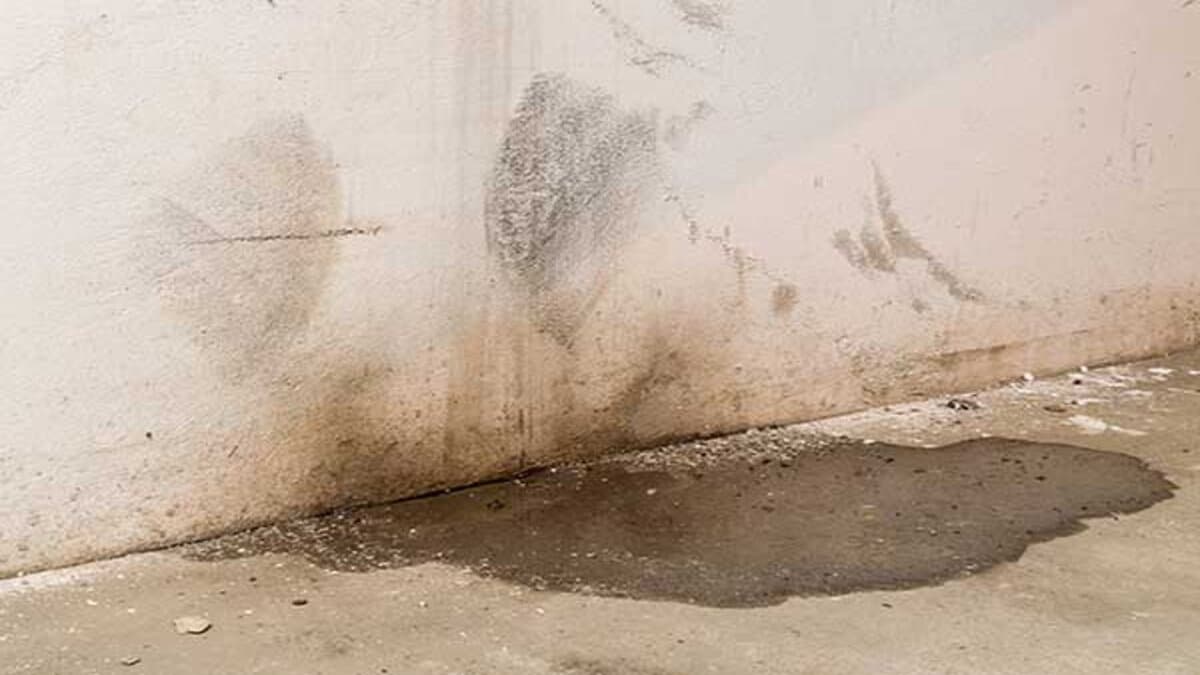
Basement water damage is one of the most common yet devastating problems homeowners face. Whether caused by heavy rains, plumbing leaks, or foundation cracks, water intrusion can lead to structural issues, mold growth, and costly repairs. Understanding how to prevent and address basement water damage is essential to protect your home’s value and your family’s health.
Understanding Basement Water Damage
Basement water damage occurs when water infiltrates your home’s lowest level, either from outside sources like rain, flooding, or groundwater, or from inside sources such as burst pipes or faulty appliances. Water can seep through foundation cracks, window wells, or improperly sealed walls, creating damp conditions that compromise the integrity of the structure. Ignoring these issues can result in warped flooring, peeling paint, and weakened foundations over time.
Common Causes of Basement Water Damage
There are several factors that can lead to basement water damage. One of the most frequent causes is heavy rainfall that exceeds your home’s drainage capacity. Poor grading around the foundation can direct water toward the basement rather than away from it. Clogged gutters and downspouts exacerbate the problem by allowing water to pool near the home.
Plumbing issues also contribute significantly to basement water damage. Burst or leaking pipes, faulty sump pumps, and malfunctioning appliances like washing machines or water heaters can release large amounts of water quickly. Additionally, hydrostatic pressure—the pressure exerted by groundwater against basement walls—can force water through cracks and joints, especially in older homes.
Signs of Basement Water Damage
Early detection of basement water damage is crucial. Homeowners should look for visible signs such as water stains on walls or floors, efflorescence (white mineral deposits on walls), mold or mildew odors, and peeling paint or wallpaper. Damp carpeting, warped flooring, and rust on metal surfaces are also warning signals. Even minor leaks, if left untreated, can escalate into severe basement water damage over time.
Preventative Measures for Basement Water Damage
Preventing basement water damage requires a combination of structural improvements, proper maintenance, and proactive solutions. Here are several strategies to safeguard your home:
- Proper Grading and Landscaping: Ensure that the soil around your home slopes away from the foundation. This simple adjustment helps redirect water away from the basement walls. Avoid placing flower beds or hardscaping that traps water near the foundation.
- Gutter and Downspout Maintenance: Clean gutters regularly and extend downspouts at least five to ten feet from the home to prevent water from pooling near the foundation. Consider installing gutter guards to reduce debris buildup.
- Sealing Foundation Cracks: Inspect your foundation for any cracks or gaps and seal them with waterproof masonry sealant. Even small cracks can allow water to seep in and worsen basement water damage.
- Installing a Sump Pump: A sump pump is a critical defense against basement flooding. Ensure it is installed correctly and test it regularly to confirm it functions during heavy rains. Consider a battery backup system to keep the pump operational during power outages.
- Waterproofing Walls: Apply waterproof coatings or membranes to basement walls and floors to create a barrier against moisture. This can significantly reduce the risk of water infiltration during storms.
- Proper Ventilation and Dehumidification: Maintaining low humidity levels in the basement can prevent mold growth, even if minor leaks occur. Use dehumidifiers and ensure proper ventilation to keep the space dry.
Emergency Preparedness for Severe Basement Water Damage
Despite preventative measures, some situations can still result in severe basement water damage. Being prepared can minimize damage and facilitate faster recovery:
- Know Your Shutoff Valves: Locate your main water shutoff valve and know how to use it. In the event of a burst pipe, turning off the water quickly can prevent extensive basement water damage.
- Develop a Response Plan: Have a clear plan for evacuating items from the basement and calling professional help if needed. Keep essential tools, like wet/dry vacuums, water pumps, and protective gear, accessible.
- Document Your Home: Take photos and maintain records of your home’s condition for insurance purposes. This documentation can be invaluable when filing claims for basement water damage.
The Role of Professional Assistance
While minor issues can be managed by homeowners, severe basement water damage often requires professional intervention. Certified water damage restoration companies have the expertise and equipment to assess the extent of damage, remove water efficiently, dry affected areas, and restore your basement safely. Professionals can also identify hidden issues such as mold growth or structural weaknesses that may not be immediately visible.
Long-Term Solutions to Protect Your Basement
Investing in long-term solutions can prevent repeated incidents of basement water damage. French drains, exterior waterproofing, and foundation reinforcement are effective methods for homes in areas prone to heavy rainfall or flooding. Additionally, regular maintenance and inspections of plumbing, sump pumps, and drainage systems ensure that potential problems are addressed before they escalate.
Health Risks of Neglecting Basement Water Damage
Ignoring basement water damage can pose serious health risks. Mold and mildew thrive in damp environments, leading to respiratory issues, allergies, and other health problems for residents. Water-damaged materials can also harbor bacteria and other harmful pathogens. Prompt action not only protects your property but also safeguards your family’s well-being.
Conclusion
Protecting your home from severe basement water damage requires a combination of awareness, preventive measures, and professional intervention. By understanding the causes, recognizing early warning signs, maintaining proper drainage, sealing vulnerabilities, and preparing for emergencies, homeowners can significantly reduce the risk of water damage. Investing in long-term solutions and timely professional assistance ensures that your basement remains a safe, dry, and functional part of your home for years to come.
Basement water damage may seem overwhelming, but with vigilance and proactive measures, it is manageable. Protecting your home today can save you from costly repairs and health hazards tomorrow.
