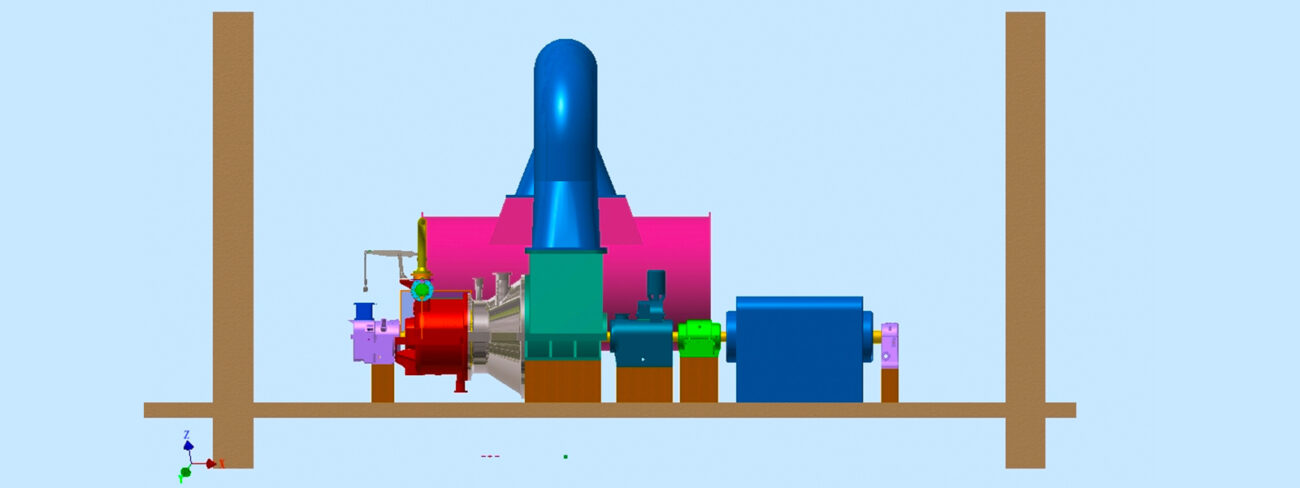
The modern energy sector continually seeks innovations that improve efficiency, reduce costs, and minimize environmental impact. One such technological advancement is the implementation of a steam turbine island in energy systems. These islands are integral components in thermal power plants, where they provide a structured and efficient approach to electricity generation. This article explores the key advantages of integrating steam turbine islands into energy systems and how they contribute to reliable, sustainable, and optimized energy production.
Understanding Steam Turbine Islands
A steam turbine island is a concentrated unit within a power plant that includes the steam turbine, its auxiliary systems, and associated control equipment. This setup is designed to convert thermal energy from steam into mechanical energy and subsequently into electrical energy. By isolating the turbine and related components into a single operational island, power plants can achieve higher operational efficiency and improved system reliability.
Steam turbine islands are commonly found in large-scale power plants, including fossil-fuel, nuclear, and combined-cycle plants. Their design allows for streamlined operation, easier maintenance, and improved synchronization with other plant systems, making them a vital asset for modern energy infrastructure.
Improved Efficiency and Energy Output
One of the most significant advantages of a steam turbine island is the enhancement of energy conversion efficiency. By consolidating the turbine and its auxiliaries into a unified system, energy losses are minimized, and operational parameters are optimized. This leads to higher thermal efficiency, meaning more electricity is generated from the same amount of fuel.
Additionally, the compact design of a steam turbine island reduces the energy consumed by auxiliary components such as pumps, valves, and generators. With more efficient steam flow and reduced thermal losses, power plants can operate closer to their theoretical efficiency limits, ultimately lowering the cost per unit of electricity produced.
Simplified Operation and Control
Steam turbine islands provide a clear operational structure, making the management and control of power plants significantly more straightforward. Centralized instrumentation and automation within the island allow operators to monitor and adjust turbine performance in real-time. This reduces the likelihood of operational errors and improves response times to fluctuations in load demand.
Advanced control systems integrated into steam turbine islands can automatically adjust steam flow, turbine speed, and generator output to optimize performance. This level of automation ensures consistent electricity supply while protecting critical components from damage due to sudden pressure or temperature changes.
Enhanced Reliability and Maintenance
The modular nature of a steam turbine island offers improved reliability and easier maintenance compared to traditional dispersed turbine systems. By grouping all key components into a single island, maintenance teams can access and service equipment more efficiently, reducing downtime and operational disruptions.
Moreover, the design allows for partial shutdowns or isolation of specific components without affecting the overall power generation process. This flexibility is particularly valuable in large-scale plants where continuous operation is critical. Reduced downtime and preventive maintenance capabilities contribute to longer equipment lifespans and lower maintenance costs.
Integration with Renewable and Combined-Cycle Systems
The versatility of steam turbine islands extends to their compatibility with renewable energy sources and combined-cycle systems. In combined-cycle power plants, for instance, a steam turbine island works in conjunction with a gas turbine to extract maximum energy from the fuel. The gas turbine generates electricity and produces hot exhaust gases, which are then used to produce steam for the steam turbine. This process significantly improves overall plant efficiency.
Similarly, integrating steam turbine islands with biomass or concentrated solar power plants allows for the efficient conversion of heat into electricity. The modular design ensures smooth adaptation to different heat sources, making steam turbine islands a key enabler for hybrid energy systems that combine traditional and renewable energy technologies.
Environmental Benefits
Implementing a steam turbine island also brings environmental advantages. Improved efficiency reduces fuel consumption, which in turn decreases greenhouse gas emissions and other pollutants. By optimizing the conversion of thermal energy into electrical energy, these islands help power plants meet stricter environmental regulations and sustainability targets.
Additionally, modern steam turbine islands are designed to operate with minimal water consumption and reduced thermal discharge. Advanced cooling systems and energy recovery techniques ensure that environmental impact is minimized without compromising energy output. This makes steam turbine islands a more sustainable choice for the energy sector.
Scalability and Flexibility
Another key advantage of steam turbine islands is their scalability. Power plants can install multiple islands within the same facility, each functioning independently or in coordination with others. This allows for flexible plant operation, enabling operators to adjust generation capacity according to demand.
The modular nature of steam turbine islands also facilitates expansion or upgrades. New turbines or auxiliary systems can be added without major overhauls to existing infrastructure. This flexibility is particularly valuable in regions where energy demand is rapidly increasing, ensuring that plants can adapt to future needs efficiently.
Safety and Risk Management
Safety is a critical concern in energy systems, and steam turbine islands contribute significantly to risk management. By isolating high-pressure steam systems and controlling their operation centrally, potential hazards are contained and monitored more effectively. Modern islands include multiple safety features such as pressure relief valves, emergency shutdown systems, and automated fault detection, minimizing the risk of catastrophic failures.
Centralized monitoring also allows operators to detect early signs of wear, corrosion, or mechanical failure, ensuring timely interventions before issues escalate. This proactive approach to safety reduces the likelihood of accidents, protecting both personnel and infrastructure.
Economic Advantages
From an economic perspective, implementing a steam turbine island leads to substantial cost savings. Improved efficiency reduces fuel expenses, while centralized operation lowers labor costs and simplifies maintenance. The extended lifespan of equipment further reduces capital expenditure over time.
Moreover, the ability to integrate steam turbine islands into combined-cycle and renewable systems provides opportunities for additional revenue streams through optimized energy production and the potential sale of surplus electricity. These factors make steam turbine islands a financially attractive option for both new and existing power plants.
Conclusion
The integration of steam turbine islands in energy systems offers a multitude of advantages, ranging from improved efficiency and reliability to enhanced environmental and economic benefits. Their modular design, scalability, and adaptability make them ideal for modern power generation, whether in fossil-fuel, nuclear, or renewable energy plants. By centralizing turbine operations and optimizing steam conversion processes, steam turbine islands play a pivotal role in advancing energy technology and supporting the global transition toward sustainable and efficient electricity generation.
Incorporating steam turbine islands is no longer just an option; it has become a strategic approach for energy systems seeking maximum performance, safety, and sustainability in an increasingly demanding energy landscape.
